When a venue talks about rsl club pokies responsible, the first thing I look for is whether the interface actually suits the person sitting in front of it, not just the operator’s spreadsheet. Independent Gaming Pty Ltd has spent years balancing supplier strategy with commercial oversight, and that experience teaches you quickly that a polished lobby means little if navigation fights the player. This review focuses on interface, localisation, and everyday usability, working through a couple of player-fit scenarios to see where the product lands for an Australian audience.
Interface and Localisation That Match the Player
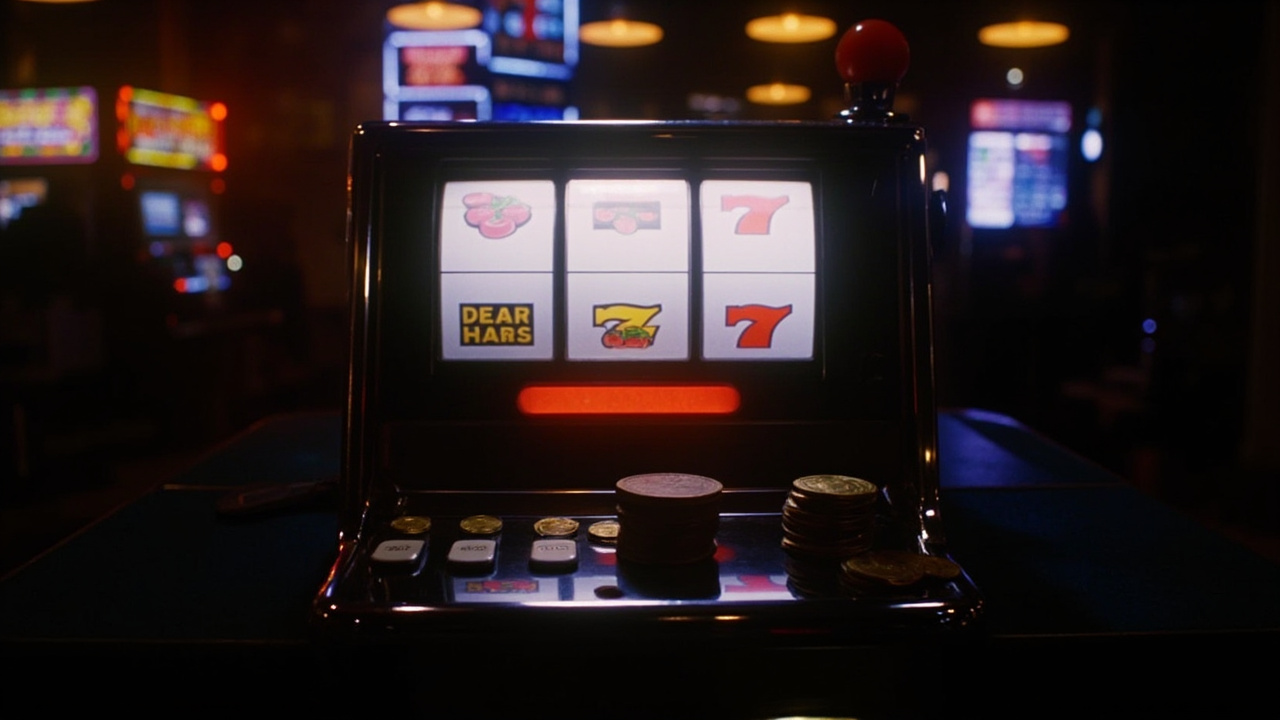
A good lobby should read like a local venue, not a translated template. The visual identity here leans into clean card layouts and muted tones that sit comfortably on a phone screen, with navigation structured around broad game categories rather than a wall of unsorted titles. Search works the way most Australians expect, with filters that actually narrow results instead of bouncing you back to the top. Currency and language defaults to Australian dollars and local phrasing from the outset, which removes that awkward moment where you’re guessing whether a bonus figure is in dollars, pounds, or something else entirely.
When I compare this to supplier negotiations we run at Independent Gaming Pty Ltd, the difference is in the small localisation calls. A platform that gets currency, terminology, and menu structure right on arrival usually saves more support time than a flashy welcome screen ever will. Here, the structure is straightforward enough that a player moving from a desktop arvo session to a phone in the evening does not have to relearn the layout. The visual identity stays consistent across sections, so you are not hunting for a back button or a balance display that suddenly looks different half way through a session.
Two Player-Fit Scenarios
The casual player after a Gold Coast shift
For a player winding down after a long shift on the Gold Coast, the priority is usually speed and clarity rather than digging through every category. The lobby’s top-level structure lets you land on a familiar section quickly, and the game cards show the essentials without making you open each title just to check the basics. That matters when you are playing in short bursts and do not want to spend half your session figuring out where the controls are.
I have seen supplier portfolios where the same game looks perfectly fine on paper but becomes fiddly the moment you are on a phone with one hand. This setup avoids most of that by keeping the action area and balance visible without crowding the screen. It is not trying to be flashy for the sake of it, which is a reasonable call for anyone who wants a straightforward session and then wants to get on with the rest of the evening.
The regular who checks in most days
A regular who plays most days cares more about consistency and quick access to the sections they actually use. Here, the navigation holds up because the same paths work whether you are logging in from a laptop or a phone, and the search filters do not reset your preferences in a way that forces you to start again. That kind of predictability is what keeps a player coming back without feeling like they are negotiating with the interface each time.
From a commercial oversight point of view, I would rather see a platform that serves its regulars cleanly than one that dazzles newcomers and then confuses them a week later. The loyalty setup here is built around steady engagement rather than overcomplicated tiers, which suits a player who treats the venue as a regular stop rather than a one-off visit. Payments and registration follow the same practical line, with local currency and a sign-up flow that does not ask for information you would not expect from an Australian-facing operation.
Linking the Focus to Real Player Needs
The real test of interface and localisation is whether they disappear into the background while you play. When search, currency, and menu structure all line up with what an Australian player expects, the product stops asking for attention and starts supporting the session. That is the standard I apply when we assess supplier fit at Independent Gaming Pty Ltd, because a platform that forces players to adapt to it usually loses more in retention than it gains in first impressions.
If you are weighing up rsl club pokies responsible against your own habits, the question is less about features on a checklist and more about whether the layout fits the way you actually play. Have you found a lobby that feels natural on your phone, or one that still makes you hunt for the basics? Drop a comment below, send this along to a mate, and tell us what you reckon.
When your focus shifts from casual spins to understanding broader mechanics, you might ask is plinko gambling a sensible alternative for your routine. Exploring how different platforms handle these games can help you decide what truly aligns with your play style. For a closer look at how these options compare, visit is plinko gambling.