Understanding the mechanics behind payouts matters more than chasing the biggest number on the screen. This guide to the different jackpot types found in online pokies breaks down how progressive pools, fixed prizes, and local-linked awards actually behave during real play sessions. You will see where each type fits into a sensible bankroll plan, what the odds look like in practice, and which features keep a session worth returning to after the welcome offer has run its course.
Progressive Jackpots and How the Pool Builds
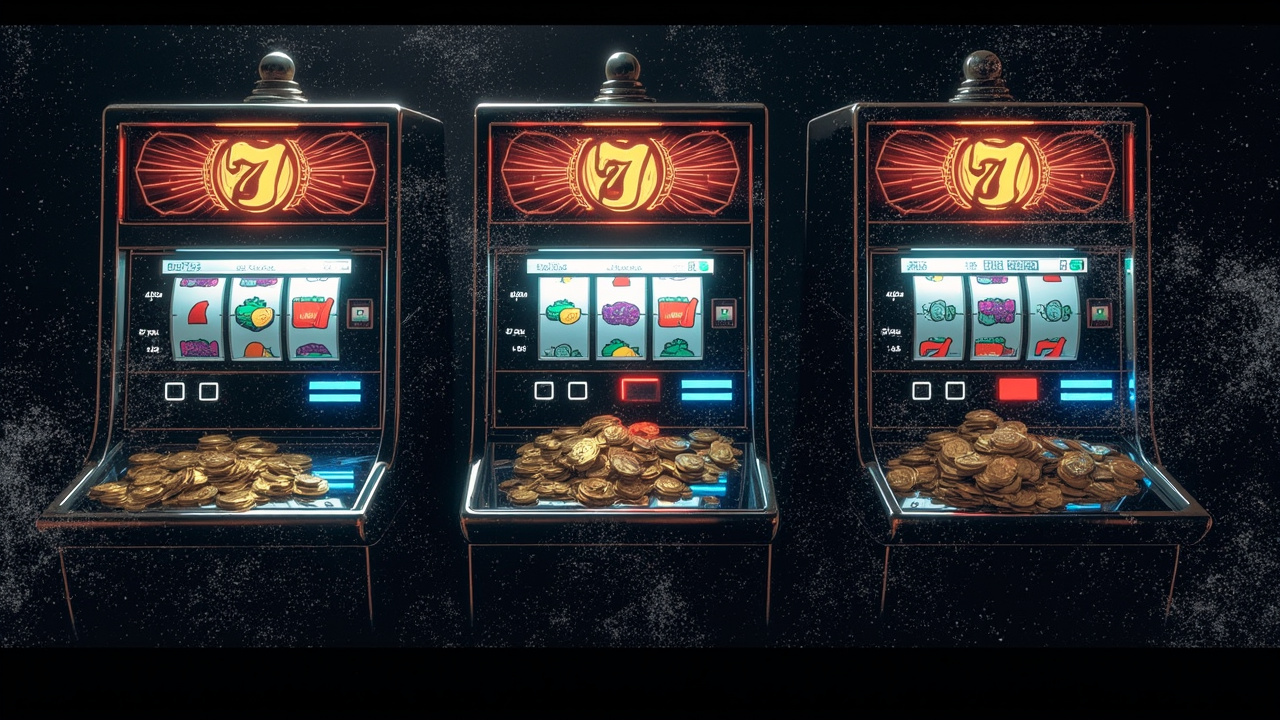
Progressive setups take a small slice of each wager and feed it into a shared or standalone prize that keeps climbing until someone lands the winning combination. The appeal is obvious, but the trade-off is that base-game return rates usually sit lower than on standard pokies, so the overall expectation needs to be measured against that shift. On a standalone progressive, only one machine contributes to the pot, which means the prize can climb faster on a busy night but still depends on that single game’s hit frequency. Shared or network progressives pull from many titles across a provider’s library, and that wider pool is what produces the headline figures you see advertised.
Before committing to a progressive title, it helps to compare the published payout figures across several machines to identify which variants offer the most sustainable long-term value. Players who want to explore a broad range of these games can review the full catalogue and up-to-date return data at queenofnilepokie.com. Keeping those adjusted expectations in mind ensures that the excitement of chasing a growing jackpot remains grounded in realistic play.
When you are weighing a progressive against a fixed prize, the practical question is whether you want a rare, large payout or a smaller, more predictable win that keeps a session moving. A local-linked progressive can sit somewhere in the middle, with a portion of the pool tied to a specific casino or region rather than the entire network. That can mean the prize grows more slowly, but the competition for the top prize is often narrower than on a fully shared pool. Either way, the key is to check the contribution rate and the reset value, because a prize that looks large on the homepage can still be a long shot if the base game is tight.
For anyone comparing options on a site like queenofnilepokie.com, the useful detail is not the size of the headline figure alone but how the prize behaves across sessions. A progressive that only grows from one game will feel very different from one fed by dozens of titles, and that difference shows up in how often the screen actually pays anything at all. The honest read is that progressives are a specific kind of entertainment, not a shortcut to better overall returns.
Fixed Jackpots and Local-Linked Prizes
Fixed jackpots offer a set top prize that does not climb with every bet, which makes the maths easier to read and the session easier to plan around. The prize amount stays the same whether you play at lunch or late on a Tuesday arvo, and that consistency is what many players prefer when they want a clearer sense of what a game can deliver. Local-linked prizes work similarly in some setups, with a fixed or semi-fixed award tied to a particular casino or a defined group of games rather than a network-wide pool. That can make the prize feel more reachable on paper, though it still depends on the game’s actual hit pattern and the size of the fixed amount relative to the bet levels.
A few details are worth checking before you treat any fixed prize as a serious target:
- the stated top prize versus the typical bet range, so you know whether the amount is meaningful at the stakes you actually play
- whether the prize is tied to a bonus round, a special symbol, or a random trigger, because that changes how often it can realistically appear
- the base-game return figure if the operator publishes one, since a fixed jackpot does not automatically make a tight game generous
- any cap or split arrangement that might reduce the amount paid on a win, especially on local-linked prizes where the pool is shared within a smaller group
The practical upside of a fixed prize is that it does not distort the rest of the game as much as a progressive pool can. You still need to treat it as a low-probability event, but the session around it can feel less volatile if the base game is paying at a reasonable rate. That is the main reason fixed and local-linked prizes suit players who care more about a steady session than about chasing a number that may not move for weeks.
Choosing by Priority Rather Than by Headline Size
A better way to pick a pokie is to match the jackpot type to what you actually want from a session. If you are after a rare, large prize and you understand the lower base return that often comes with it, a progressive can fit that priority. If you prefer a clearer prize structure and a game that does not rely on a constantly shifting pool, a fixed jackpot is usually the more readable option. Local-linked prizes sit between those two, with a smaller scope that can make the prize feel more relevant to a specific casino or community of players, but they still need the same careful read on hit frequency and bet sizing.
The broader question is what keeps you coming back after the first deposit has been used. Ongoing value comes from the rest of the offering as well, not just the jackpot itself. Recurring promos, cashback on losing sessions, a loyalty or VIP tier that actually accumulates, and tournaments with recurring entry windows all matter because they give you reasons to return that are separate from a one-off prize. A site that only pushes a big jackpot without any repeat-play support tends to feel thinner once the initial excitement settles, so it is worth looking at the full picture rather than the largest number on the homepage.
Alice Edwards, Payments Strategy Director, Koala Digital Group, has noted that players often overvalue a headline prize without checking how the surrounding payment and bonus mechanics actually behave over time. Her point is a useful one: a jackpot type is only part of the decision, and the rest of the offering determines whether a session is worth repeating.
The honest verdict is that no single jackpot type suits every player, and the right choice depends on whether you want a rare large prize, a fixed and readable target, or a local-linked prize that fits a smaller scope. Treat each type as a different priority, check the base-game behaviour and the ongoing promos around it, and keep the session within a bankroll that still makes sense if the prize does not hit.